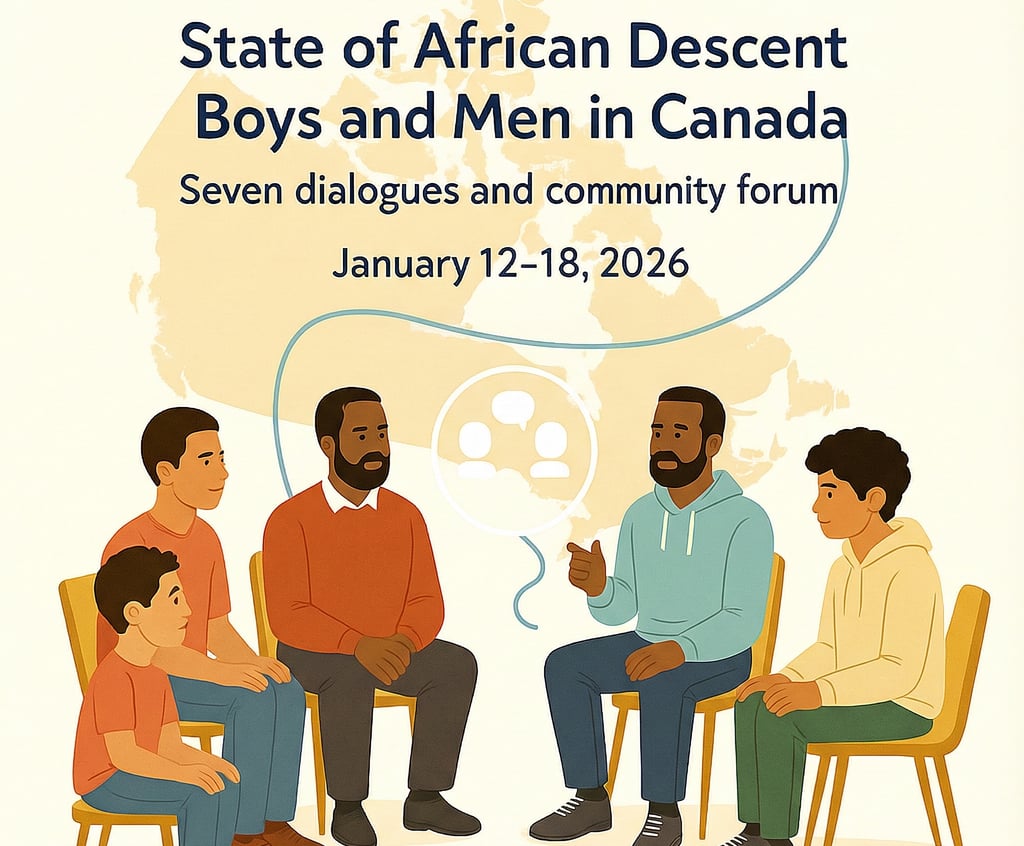
State of African Descent Boys and Men in Canada: 7 dialogues and community forum (online): January 12-18, 2026
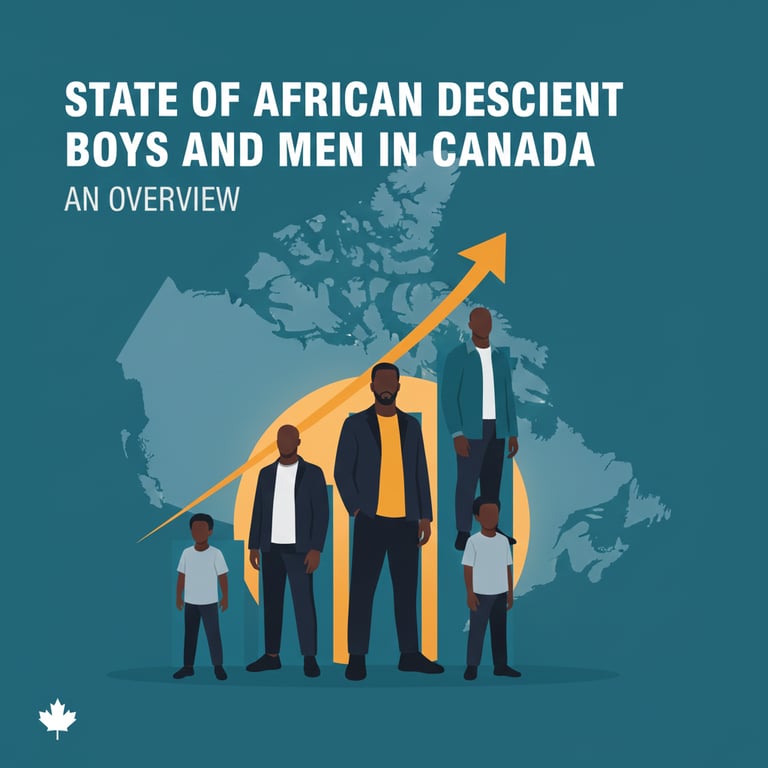

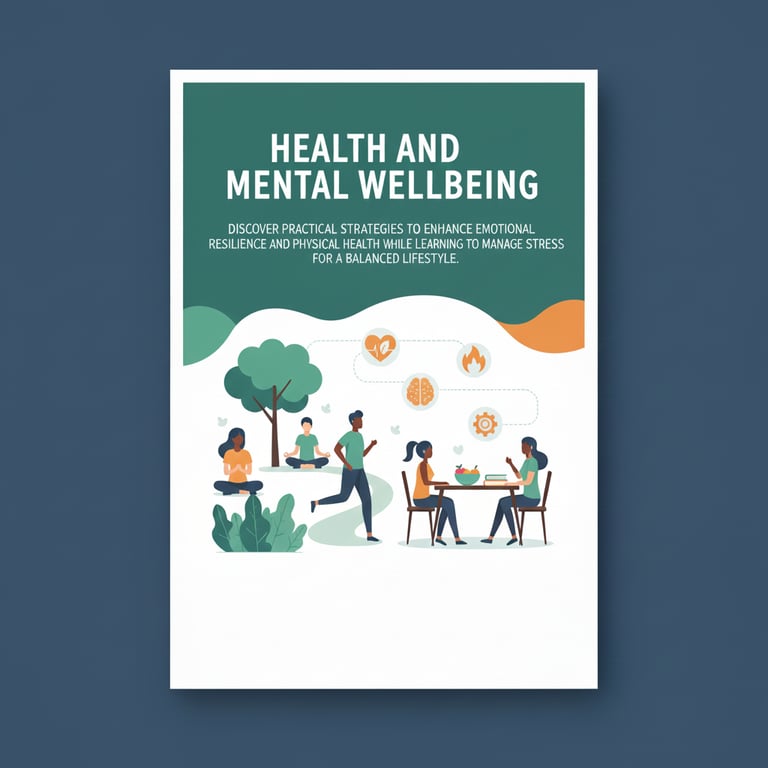

Studying African Descent Boys and Men: 'Black Male Studies' in the Canadian landscape
Join Us on 14th Jan, 2026
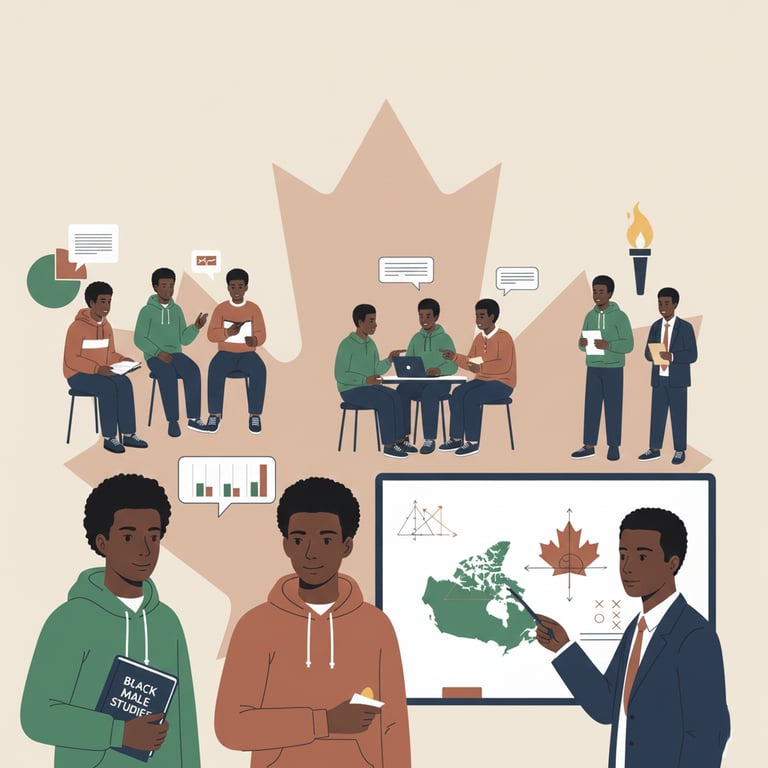
Join Us on 15th Jan, 2026


K through Post-Secondary: Formal education and the role of the Scarborough Charter


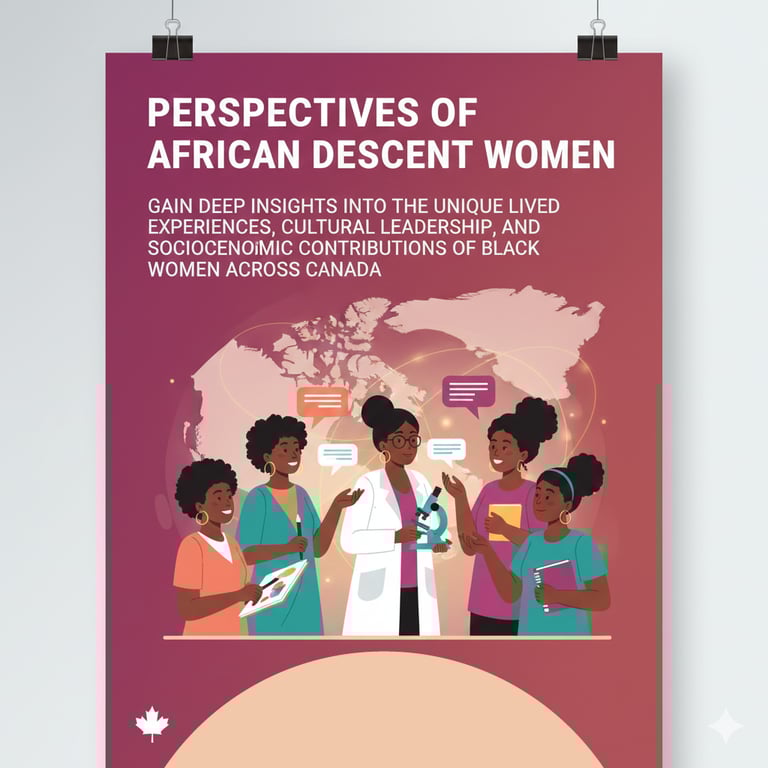
Two-Day Online Symposium: May, 2026
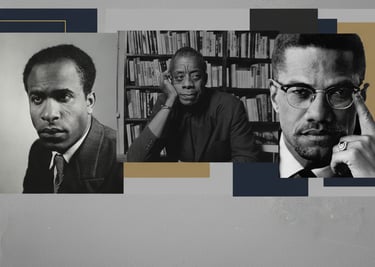
Kustawi: Research Institute for African Descent Boys, Men and families in Canada invites contributions to its first annual symposium.
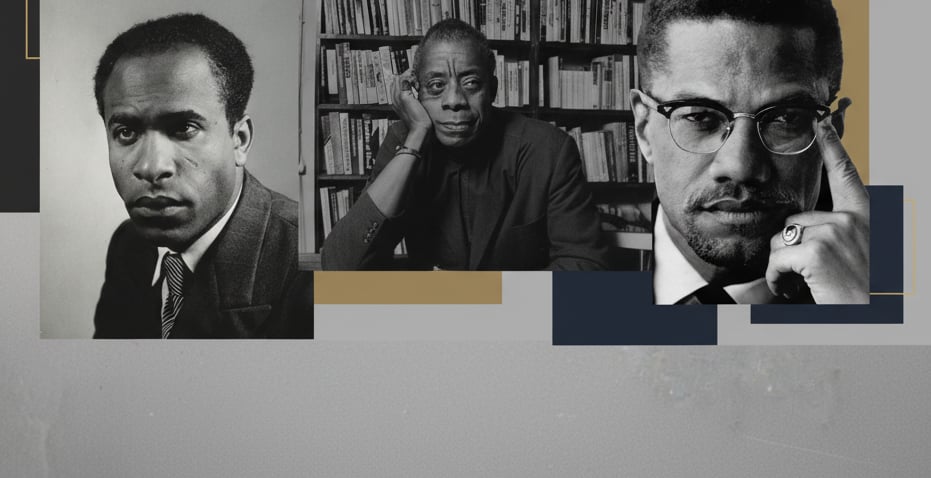
The theme of the first symposium is James Baldwin, Frantz Fanon and Malcolm X, who are three of the 20th Century’s most influential public intellectuals and social philosophers. They remain topical and are flashpoints for critical examinations of a wide-range of ongoing issues within societies and between nations.
As 2024 and 2025 mark their 100th birthdays, this call invites academics (from graduate students to the professoriate) as well as public intellectuals of the Black experience in Canada to contribute original proposals to be considered for a two-day online symposium. Drawing on insights and perspectives from intellectuals around the world, the aim is to celebrate their lives, thought and actions with bold, critical and fresh ideas for the Black experience and cross-cultural solidarity in Canada.
Baldwin, Fanon and Malcolm X Beyond 100:
Canadian Perspectives
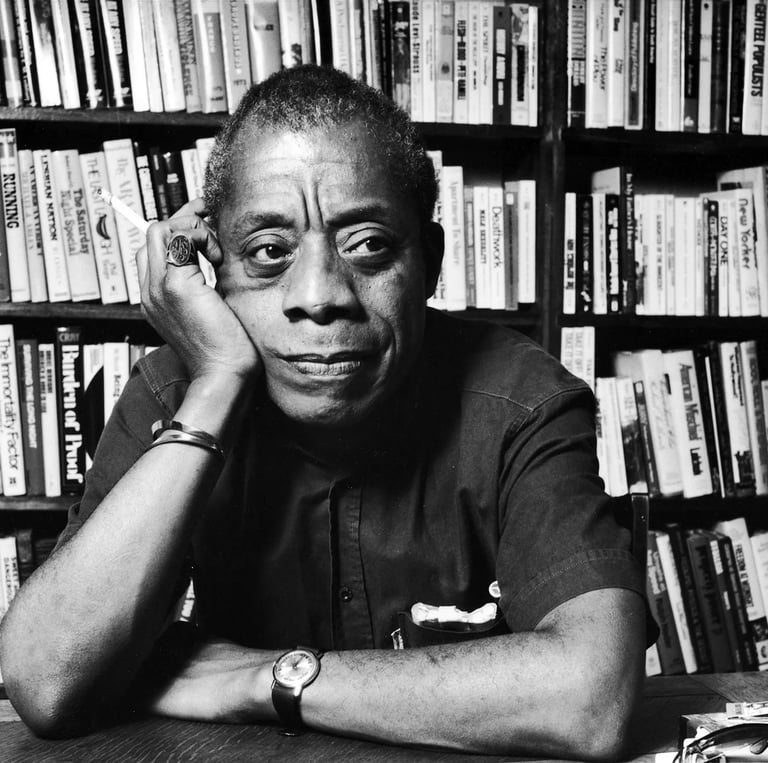
James Arthur Baldwin (1924 –1987)
American born essayist, novelist, play write, poet, orator and civil rights activist who began his career in 1948, at which time he moved to France. Author of well-read novels, short stories and essays Baldwin was a prolific writer and speaker against the moral hazard of poverty, segregation, racism, sexuality, repressed sexuality and American imperialism. Baldwin’s nuanced commentaries on the politics of class, race, and sexuality informed the Black Power and Civil Rights Movements and the gay rights movement. Raoul Peck’s I Am Not Your Negro memorializes the life of Baldwin.
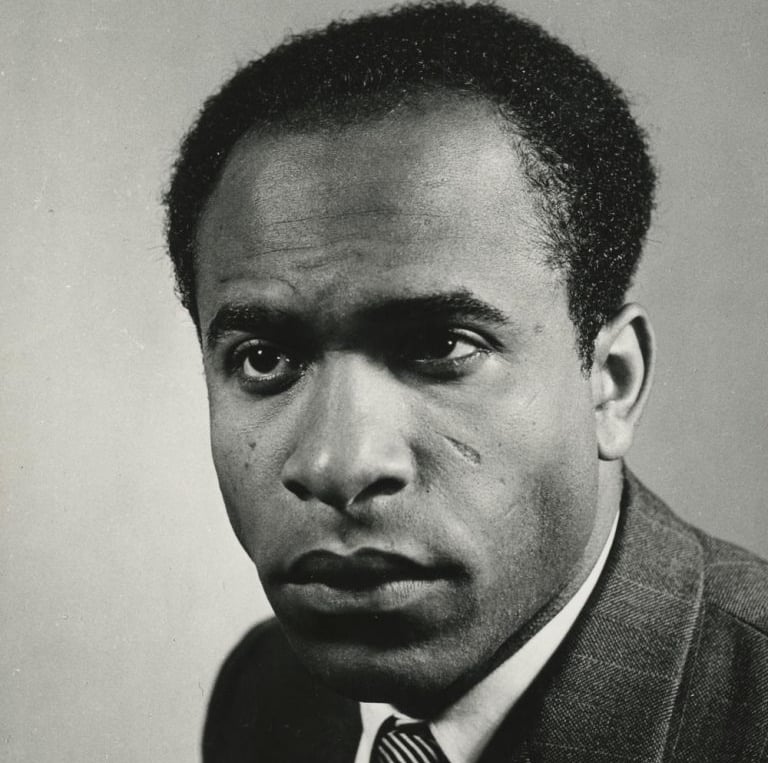
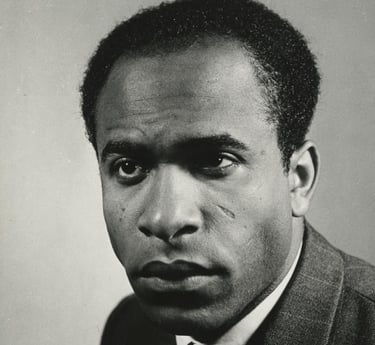
Born in the French Caribbean territory of Martinque. A student of the Martinican poet, novelist and philosopher Aimé Césaire, Fanon would move to France where he served in the French military and subsequently became a psychiatrist in French-controlled pre-liberation Algeria. Fanon would not only contribute to the national liberation of Algeria, but he became a central philosophical touchstone for decolonization movements over the 20th and into the 21st centuries. Fanon’s books, essays and commentaries which centered on the psychological impact of colonialist violence on the mentalities of the colonized and colonizer, national culture and decolonization had wide-ranging implications for praxis of anti-colonialism around the world and the emergence of the Black Power Movement in the United States, Canada and elsewhere in the West. His work has influenced the development of cultural studies primarily through Stuart Hall, critical social theory, post-colonial studies and academic Marxism.
Frantz Fanon (1925 –1961)
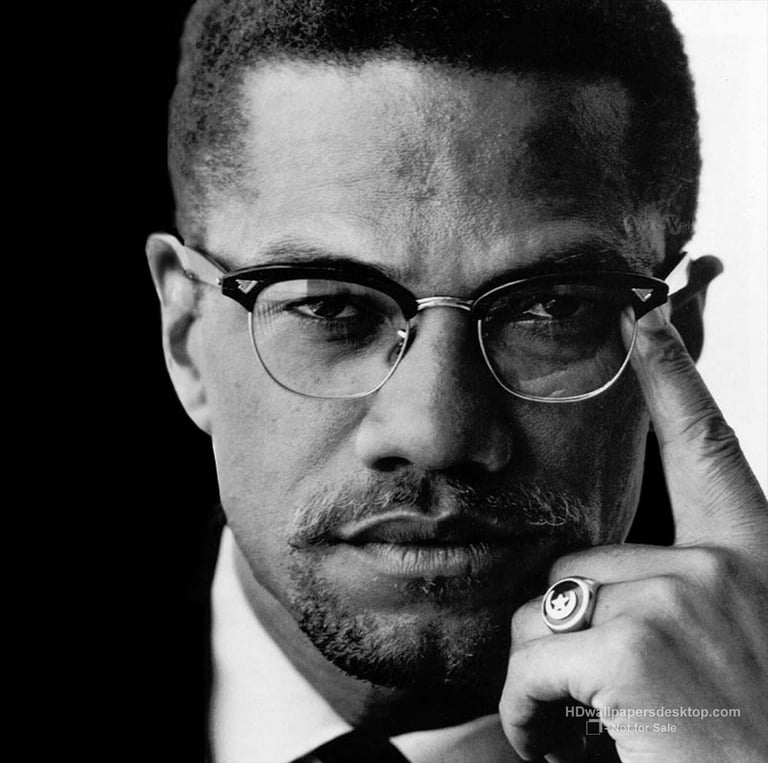
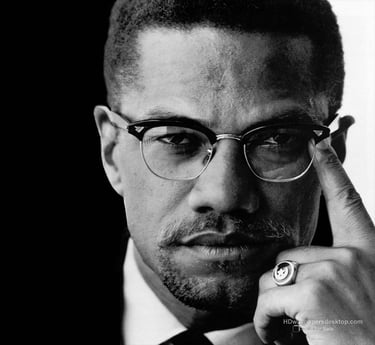
Malcolm X (Malcolm Little, Malcolm X, el-Hajj Malik el-Shabazz) (1925 –1965)
Born in the United States of America to a Garveyite family, Malcolm X transformed himself from a petty hustler into a racial separatist and major spokesman for the Nation of Islam. After leaving the Nation of Islam he became an American and world-renowned champion for non-racialism and human rights and beacon for resistance to capitalism, colonialism, imperialism, racism and war. The influence of his speeches and his autobiography dictated to Alex Hailey continue to have a major impact on students, thinkers and activists around the world. Most notably his last commentary centered on Zionist occupation of Palestine has been unearthed. He was a major target of FBI surveillance and ultimately assassination in 1965.
Abstract due: TBA
150-word abstract (12 size New Times Roman)
Send email abstracts to Prof. Tamari Kitossa (tkitossa@brocku.ca) with the subject heading “BFX Beyond 100”
TBA
TBA
12 size font, New Times Roman, citation style open to author but subject to change for publication
Guidelines and topics
Schedule and registration
Symposium Topics
The symposium welcomes alternative forms of narrative presentations with spoken word, poetry and dub poetry. For standard presentations, a wide-range of topics inclusive of the following will be considered:
Aimé Cesaire
Arts and literature
Black masculinities studies
Black peoples and Ashkenazi Jewish dynamics – conflicts, understandings and misunderstandings
Black radical politics
BRICS – critical perspectives on
Disabilities and disability studies
Capitalism, socialism and Marxism
Civil Rights and Black Power
Children and childhood studies – impacts and implications for
Colonialism/neocolonialism/postcolonialism
Counselling and therapeutic modalities
Criminal legal system (courts, police, prisons)
Critical assessments/perspectives of BLM
Critical perspectives on decolonization
Education, schools and schooling
Epistemology and the coloniality of knowledge
Feminism – critiques and approaches to
First Nation, Metis and Inuit
Gender
Hannah Arendt
International students
National culture
Ontology and phenomenology
Pan-Africanism, past, present and futures
Psychology, psychotherapy and community psychology
Race and racialization
Retrospectives on the impact of Anti-Apartheid Movement in Canada
Student politics and organizing
Violence – studies and perspectives on
Sexualities
Zionism, Israel and genocide of Palestinians
Contact
Tamari of Kitossa
Professor, Sociology
Brock University
tkitossa@brocku.ca
© 2025. The Kustawi Institute. All Rights Reserved.
This site is developed and maintained by Firoze Alam.